

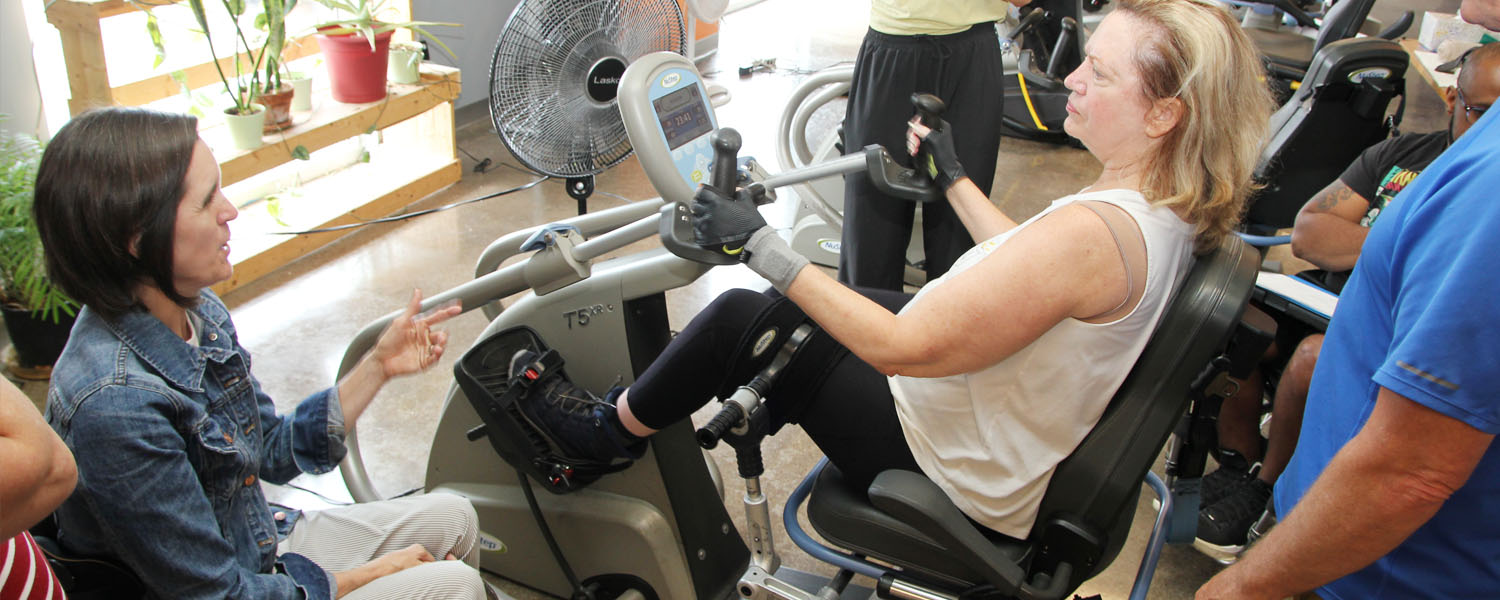
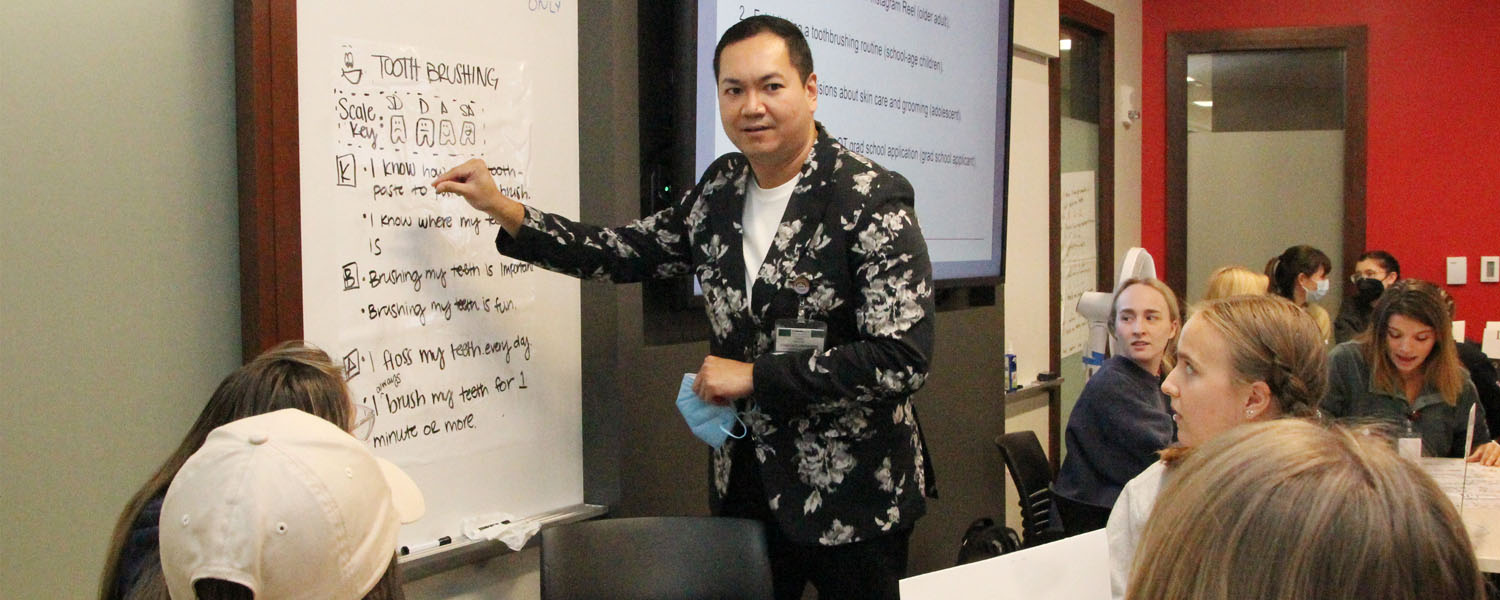
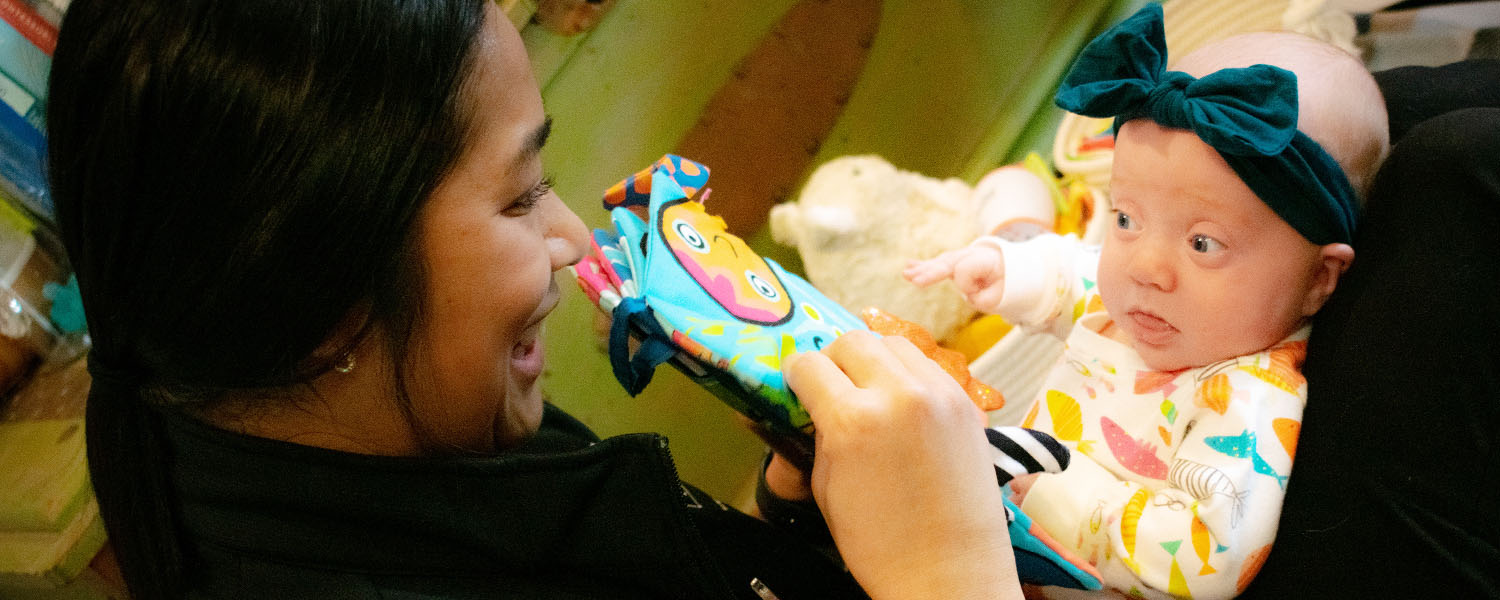
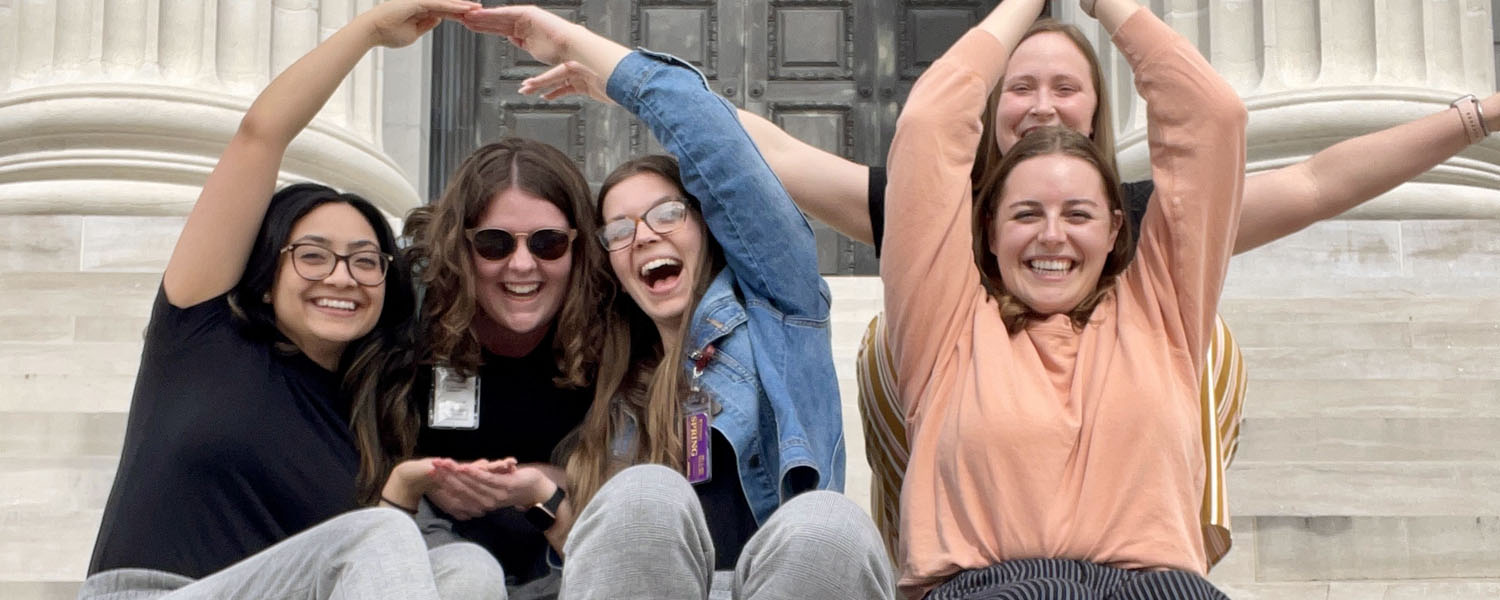

Welcome to the Program in Occupational Therapy
Our mission is to advance human health and wellbeing by maximizing people’s participation in meaningful activity. Our vision is to lead innovations for barrier-free living.
-
Master’s (MSOT)
-
Doctorate (OTD)
-
Online Post-Professional Doctorate (PP-OTD)
-
Joint Degree MSOT / MPH
-
PhD in Rehabilitation and Participation Science
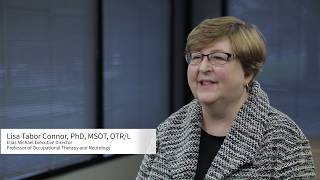
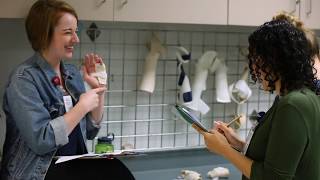

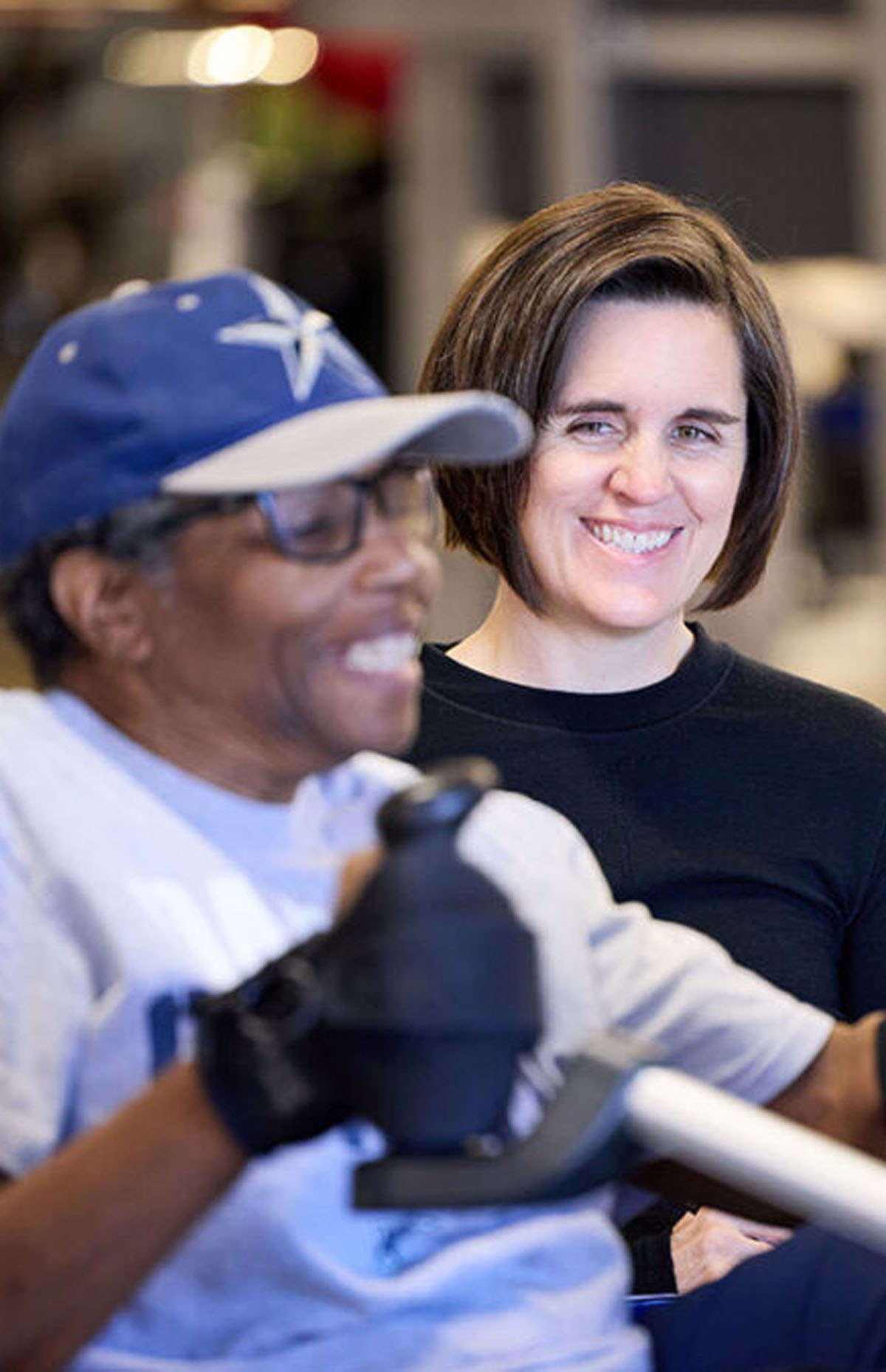
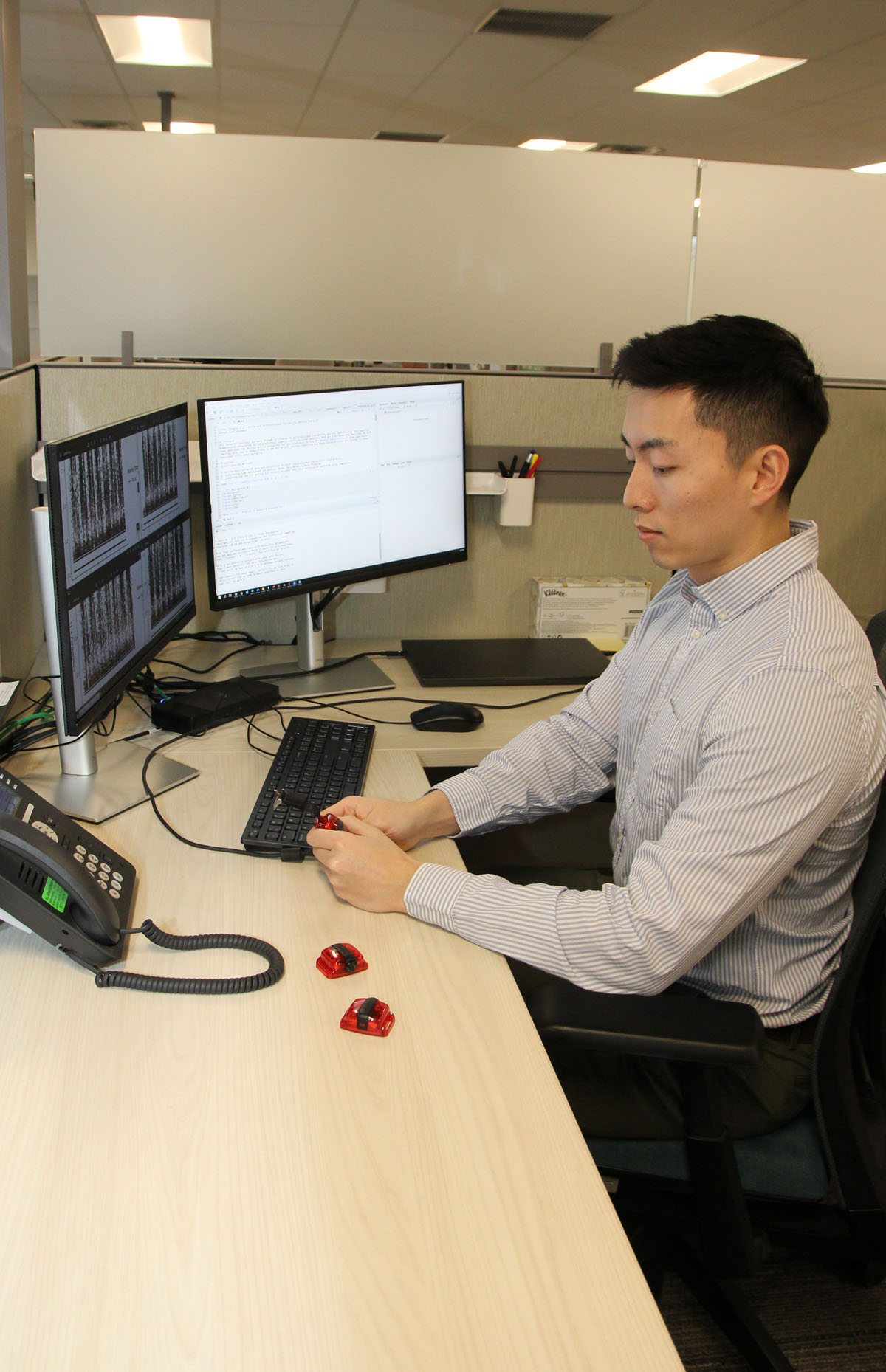
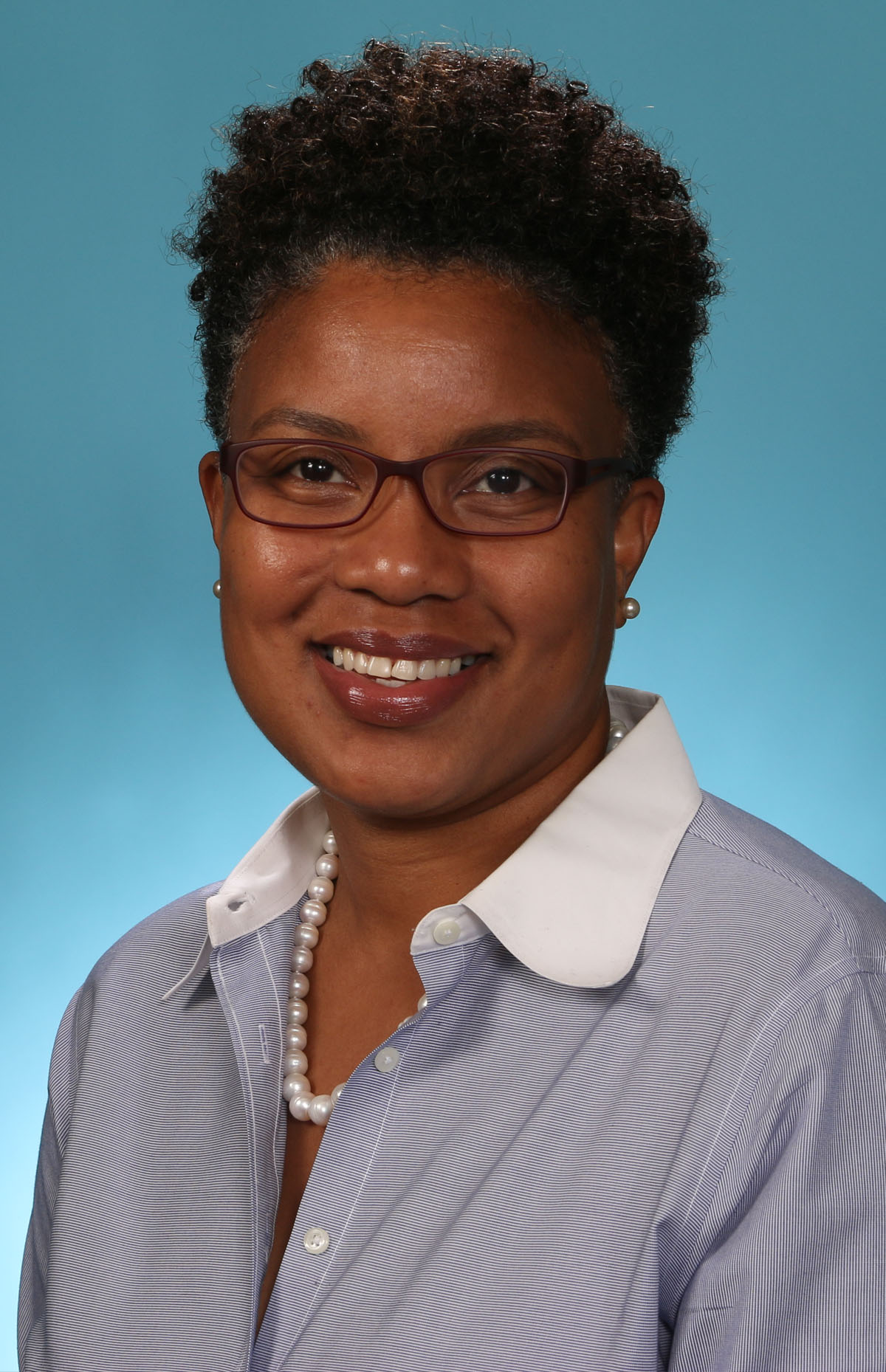

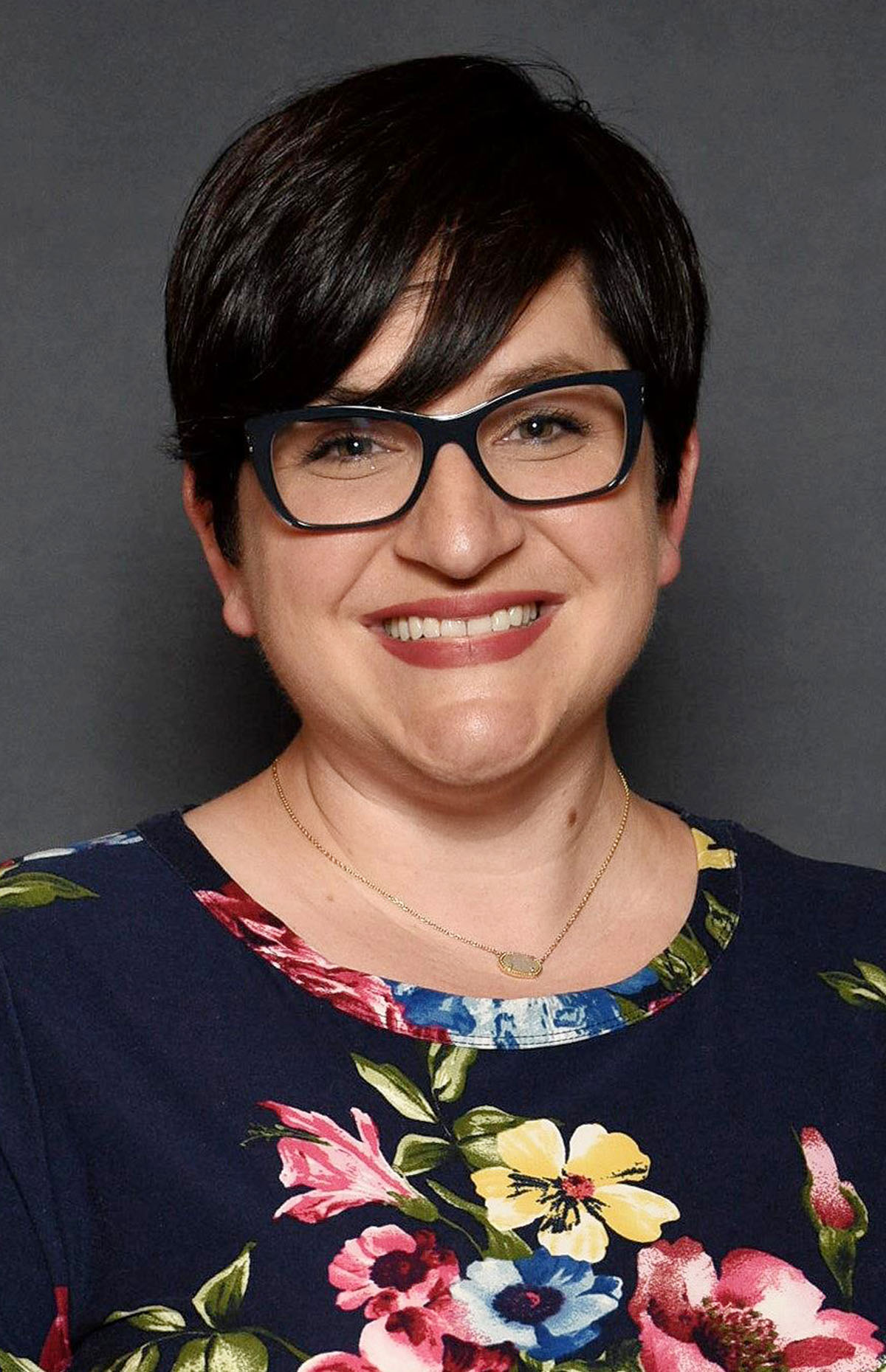
Our Stories
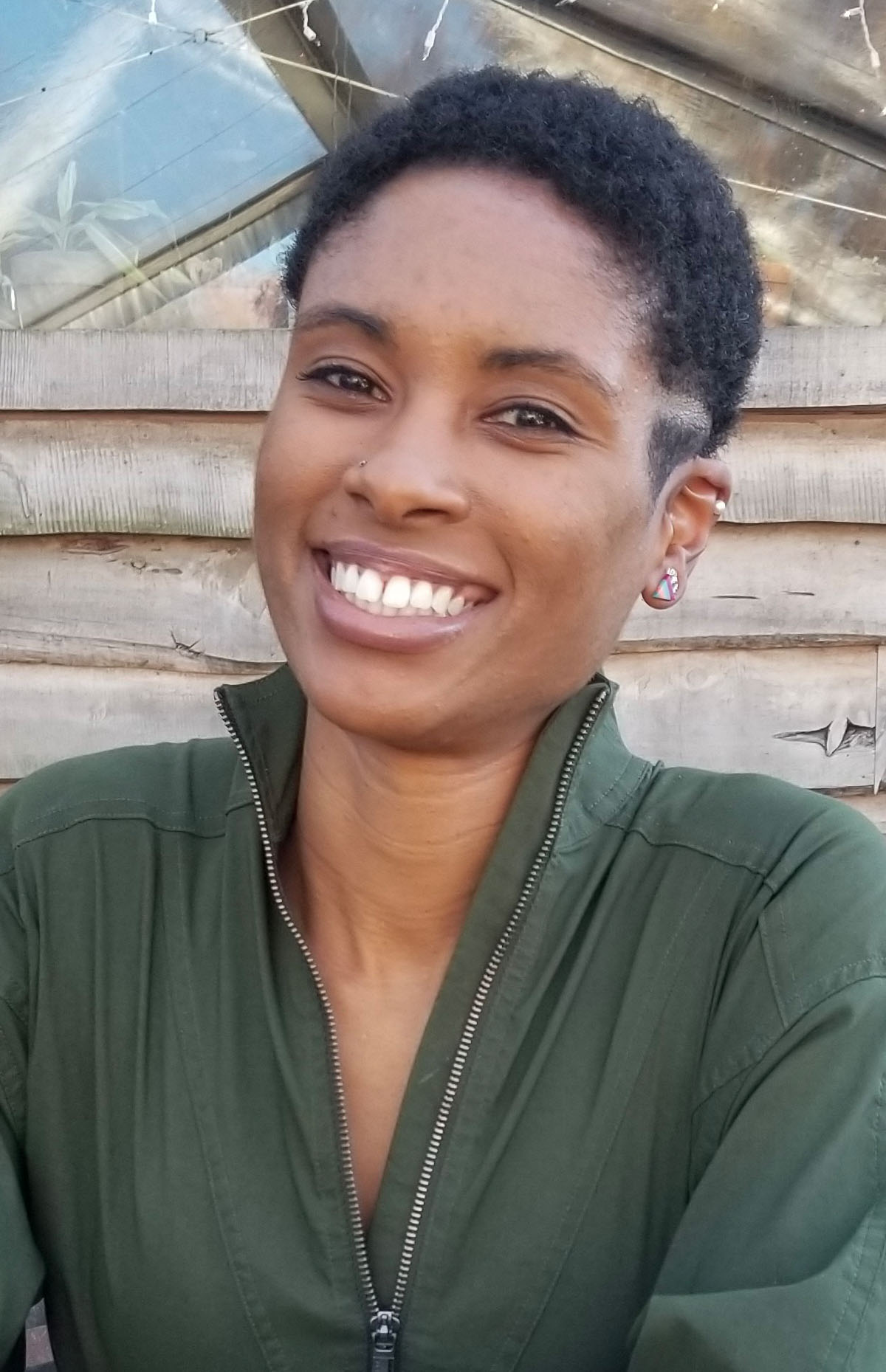
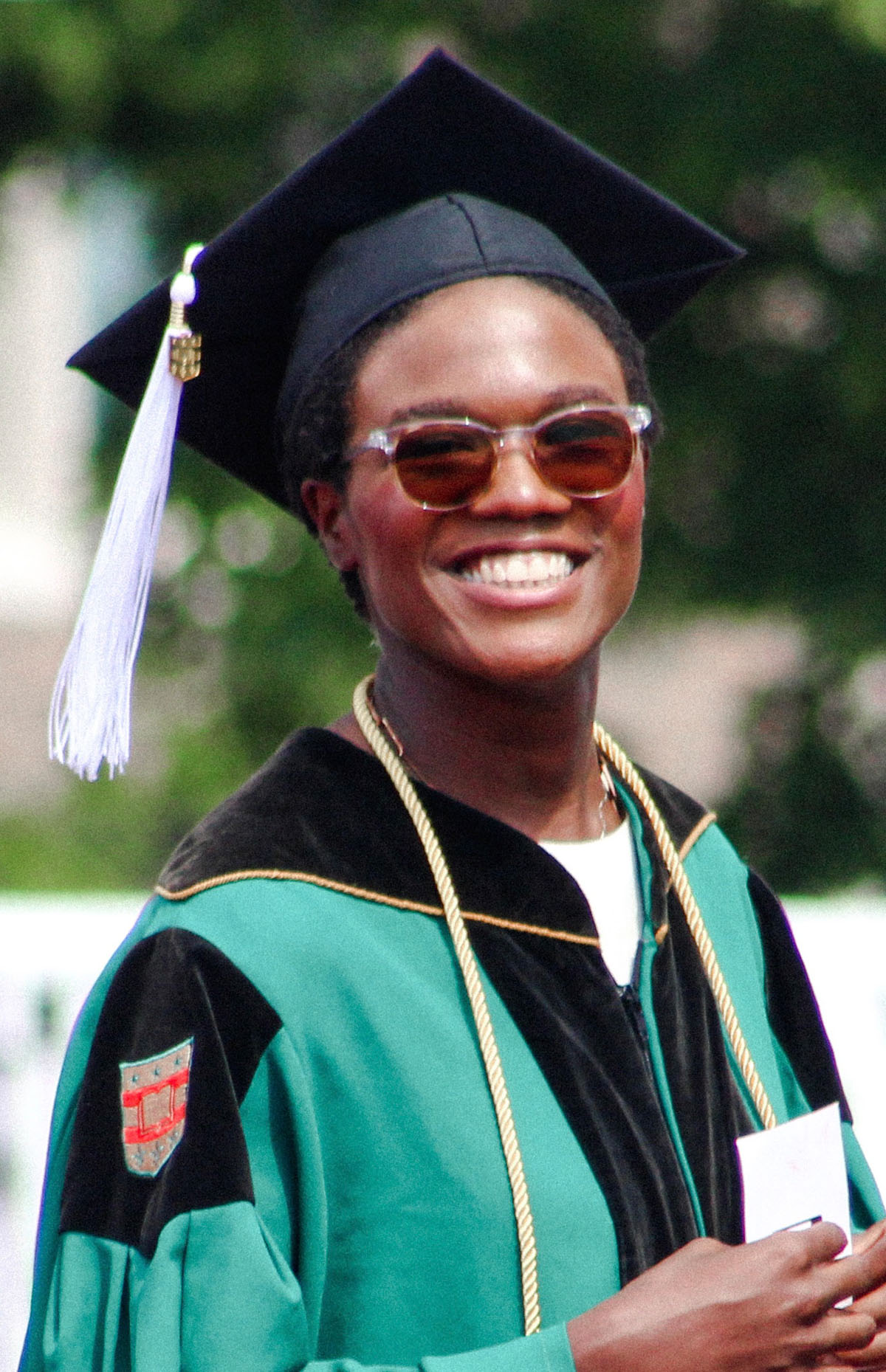
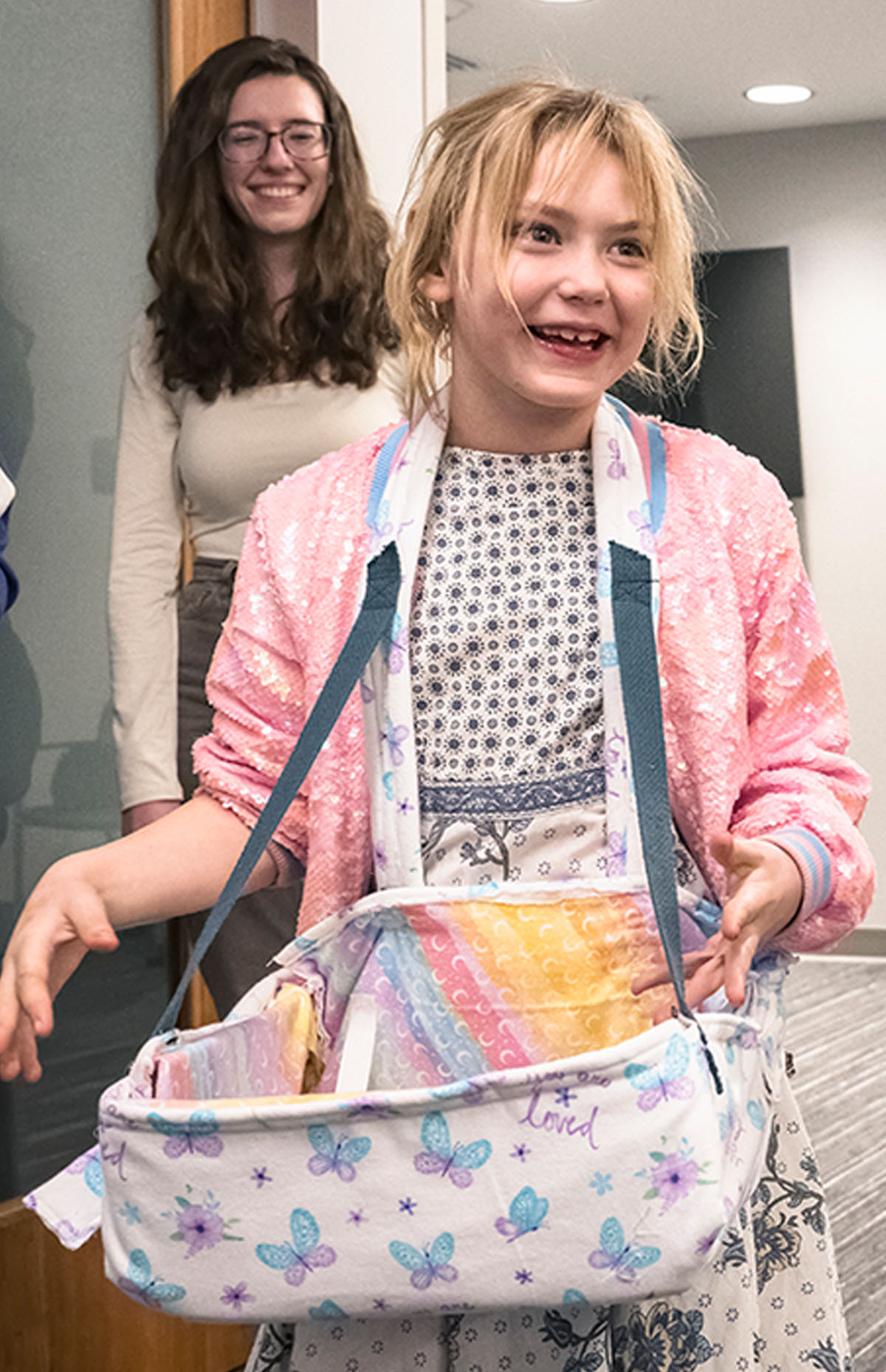
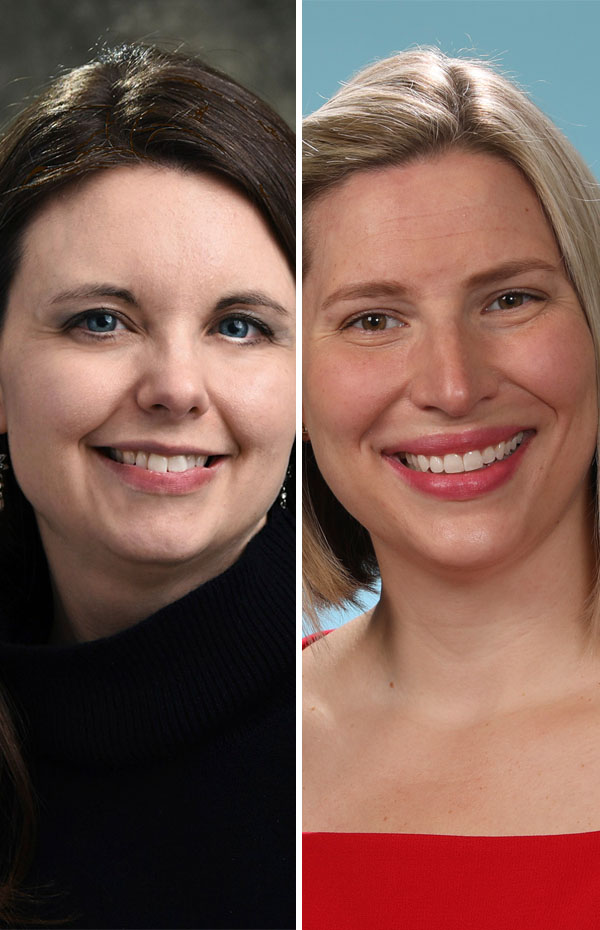
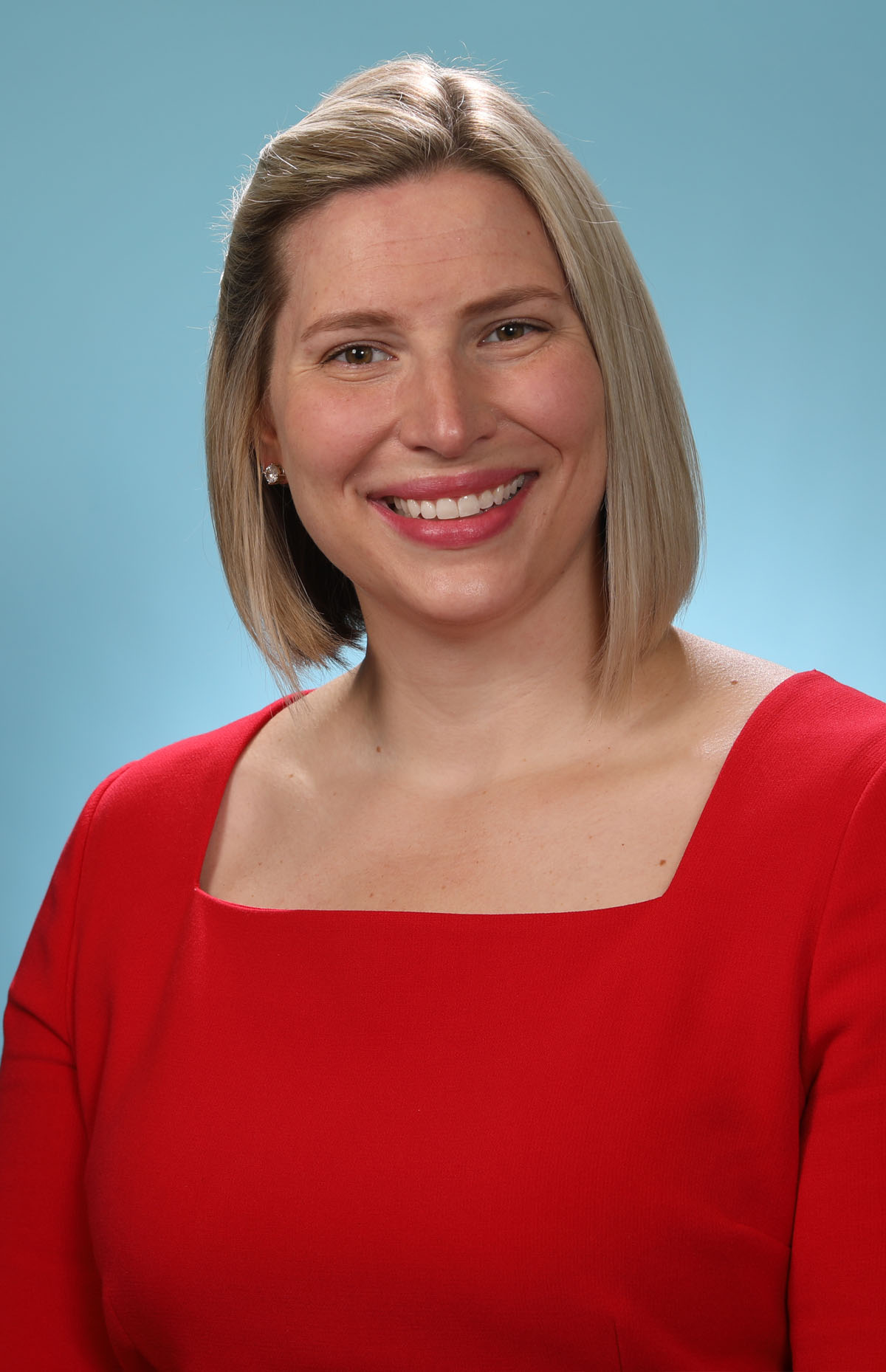
Harris selected as a finalist for the 2024 William H. Danforth St. Louis Confluence Award
Our Stories
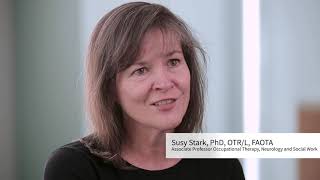
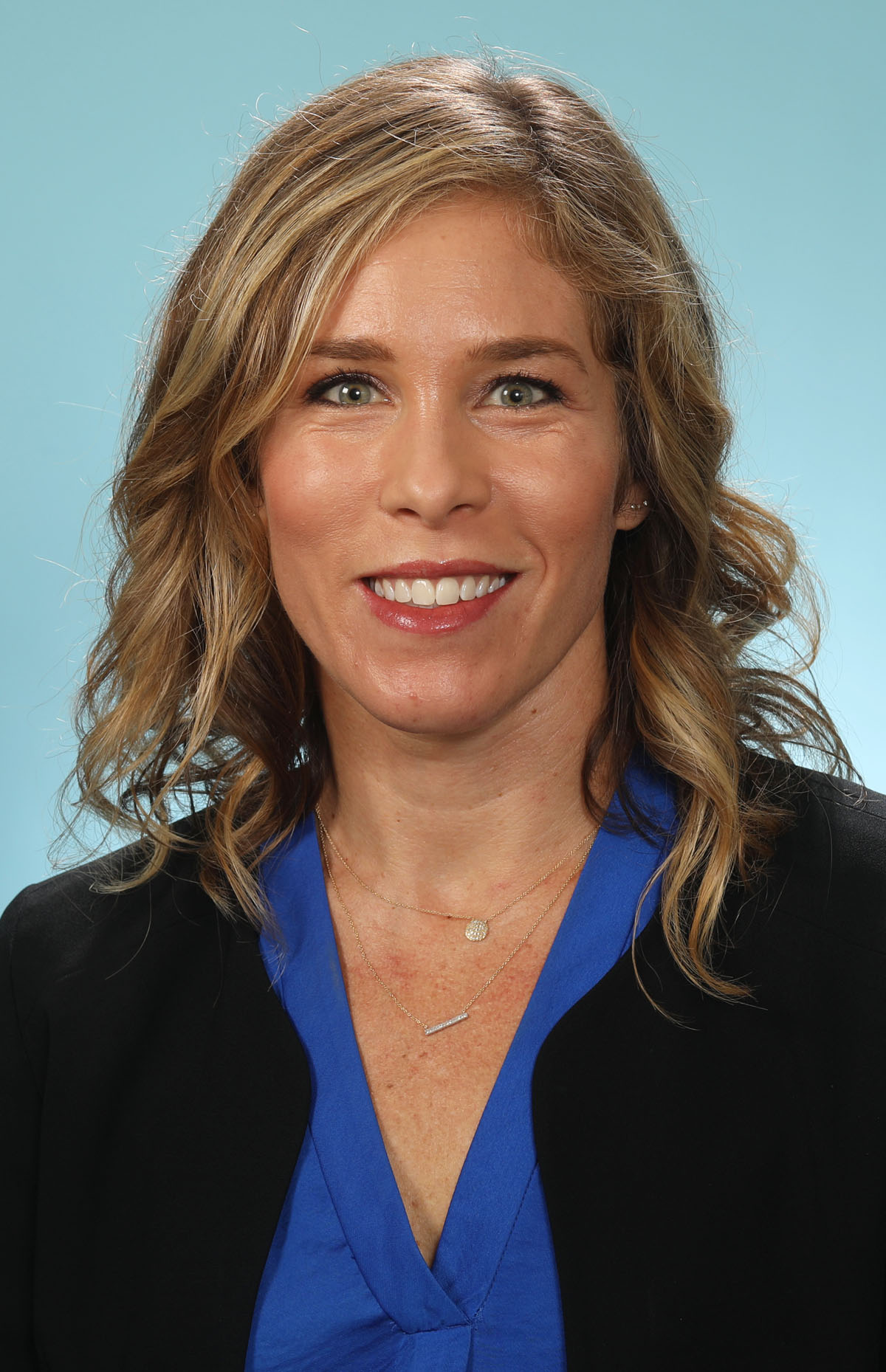
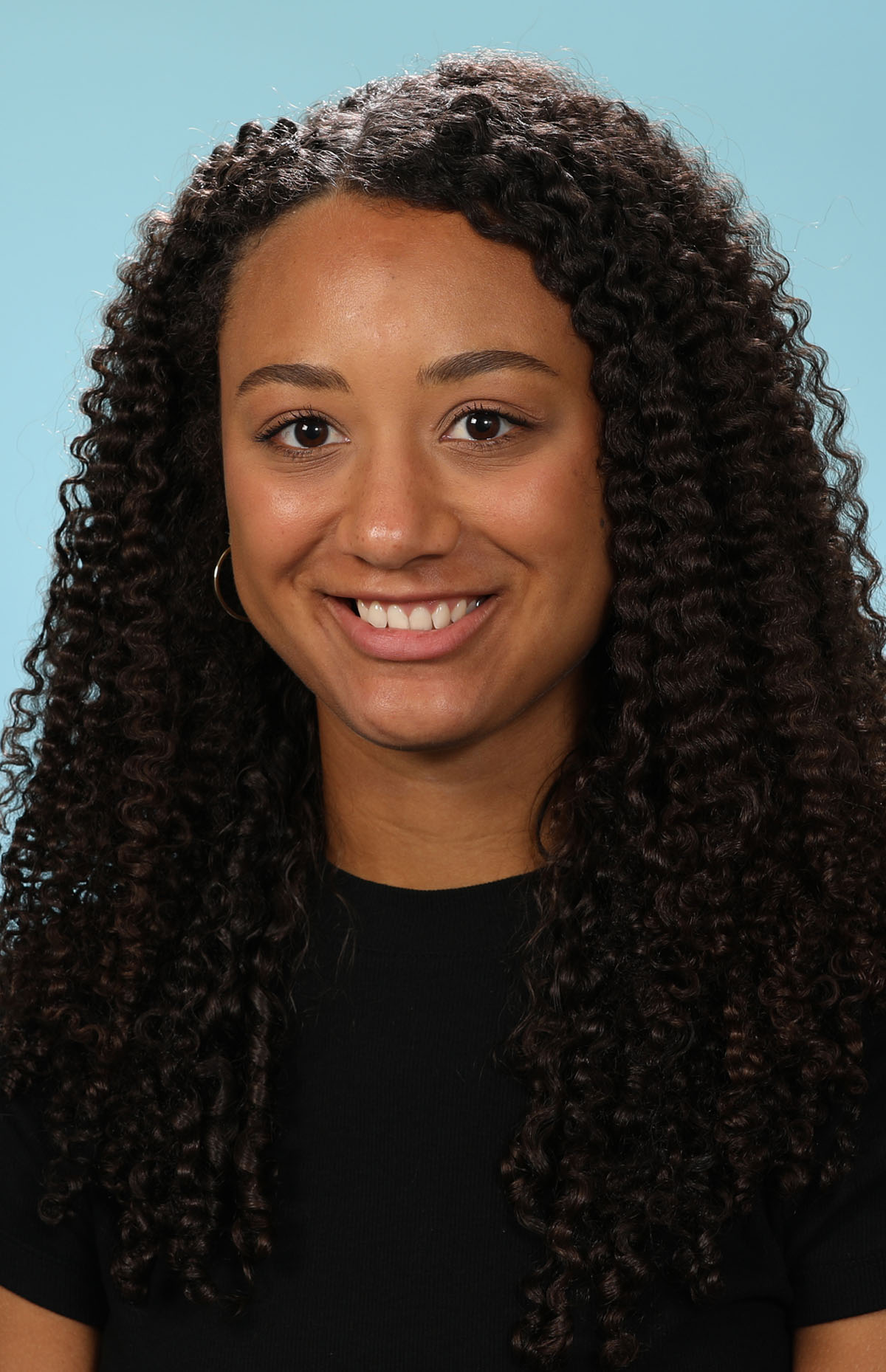
Stark selected as a finalist for the 2024 William H. Danforth St. Louis Confluence Award
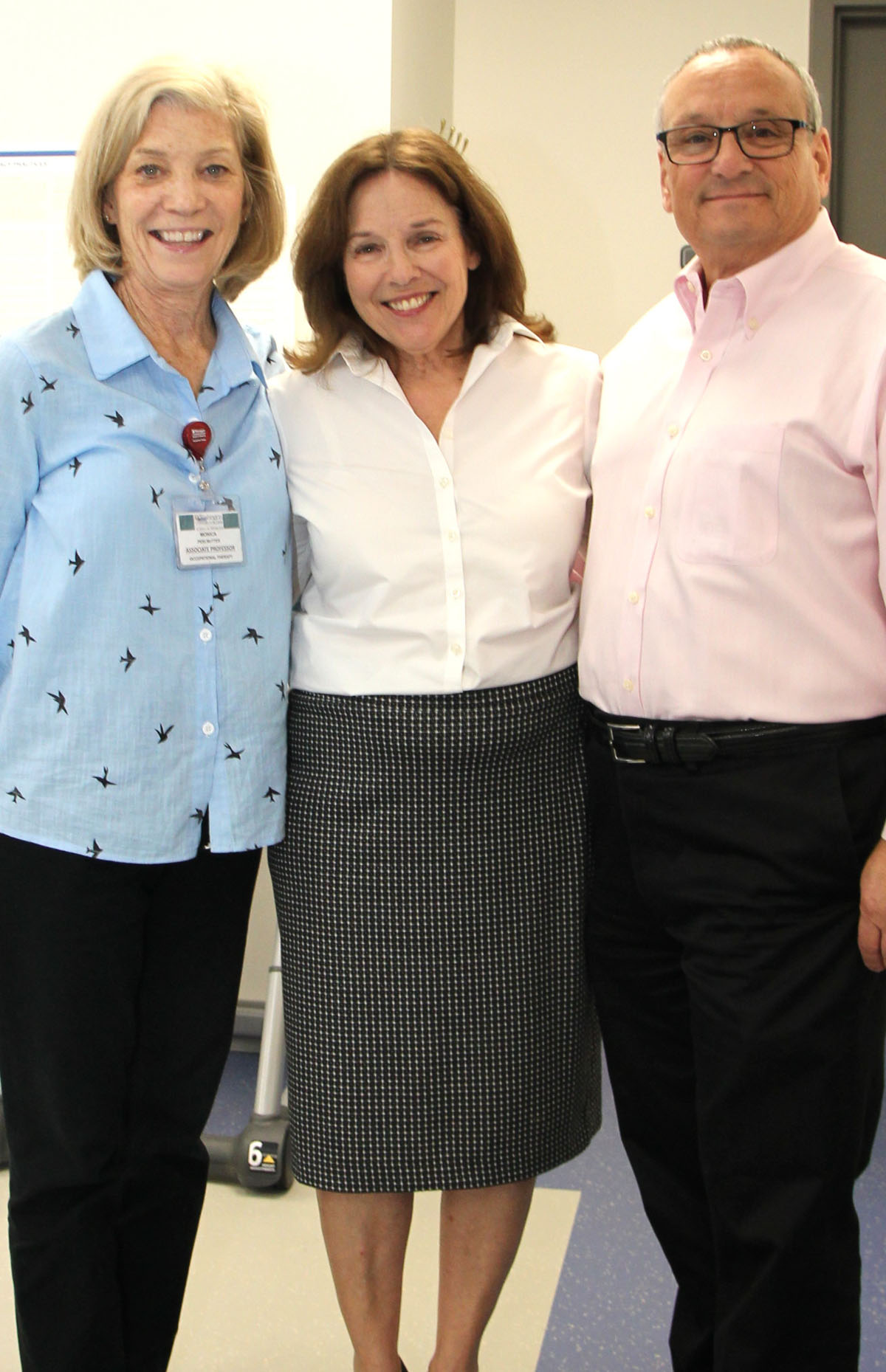
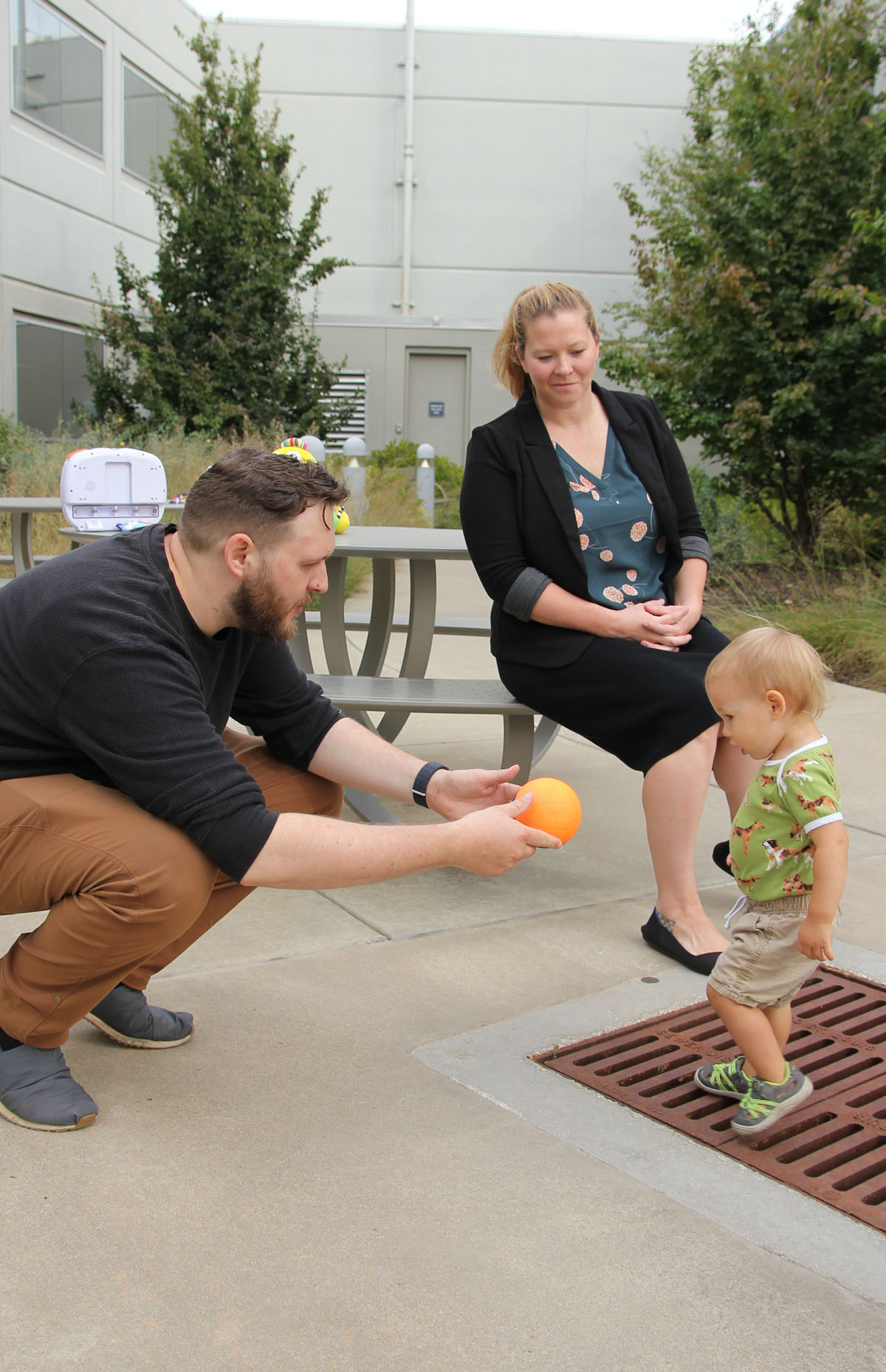

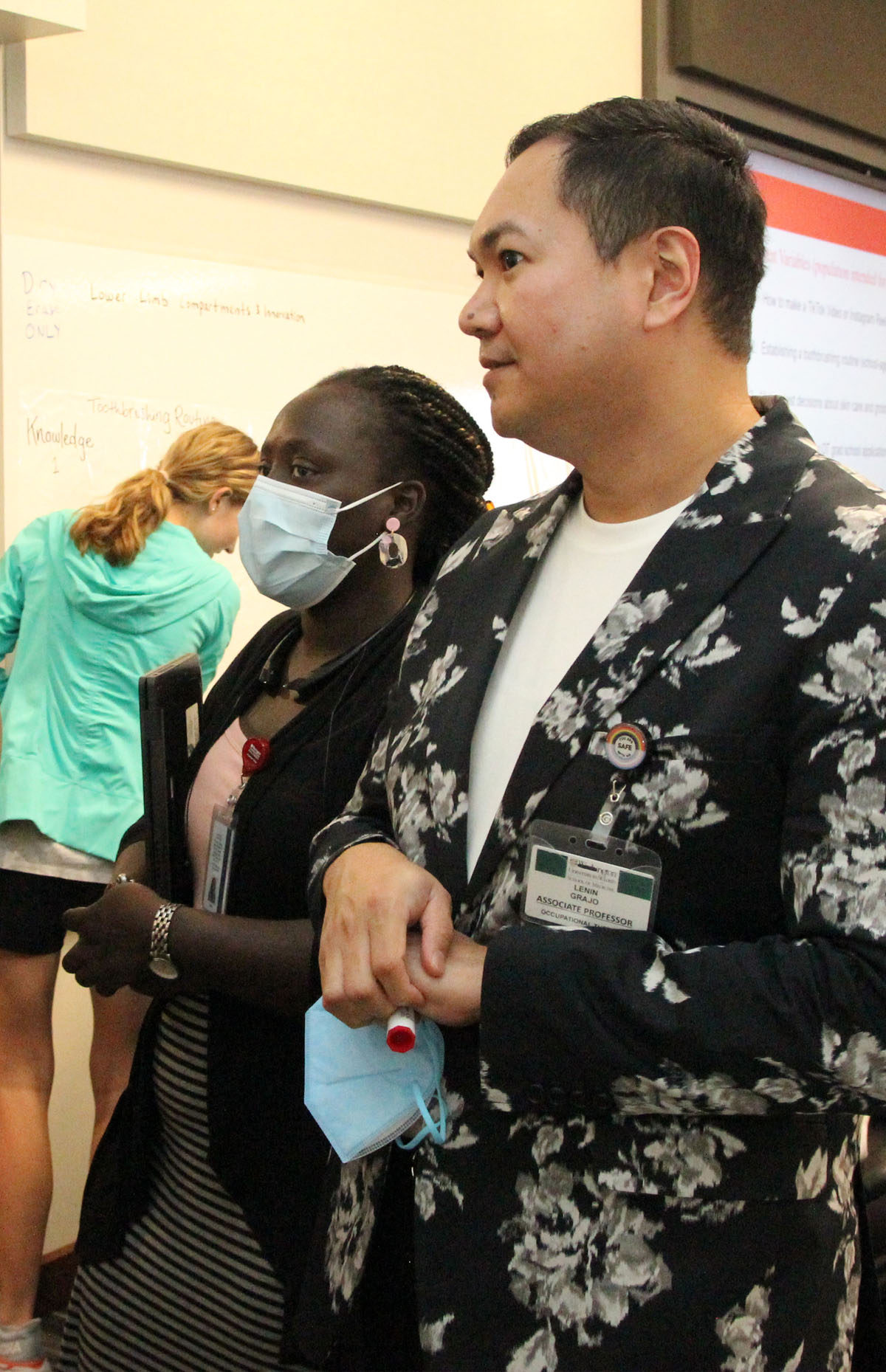
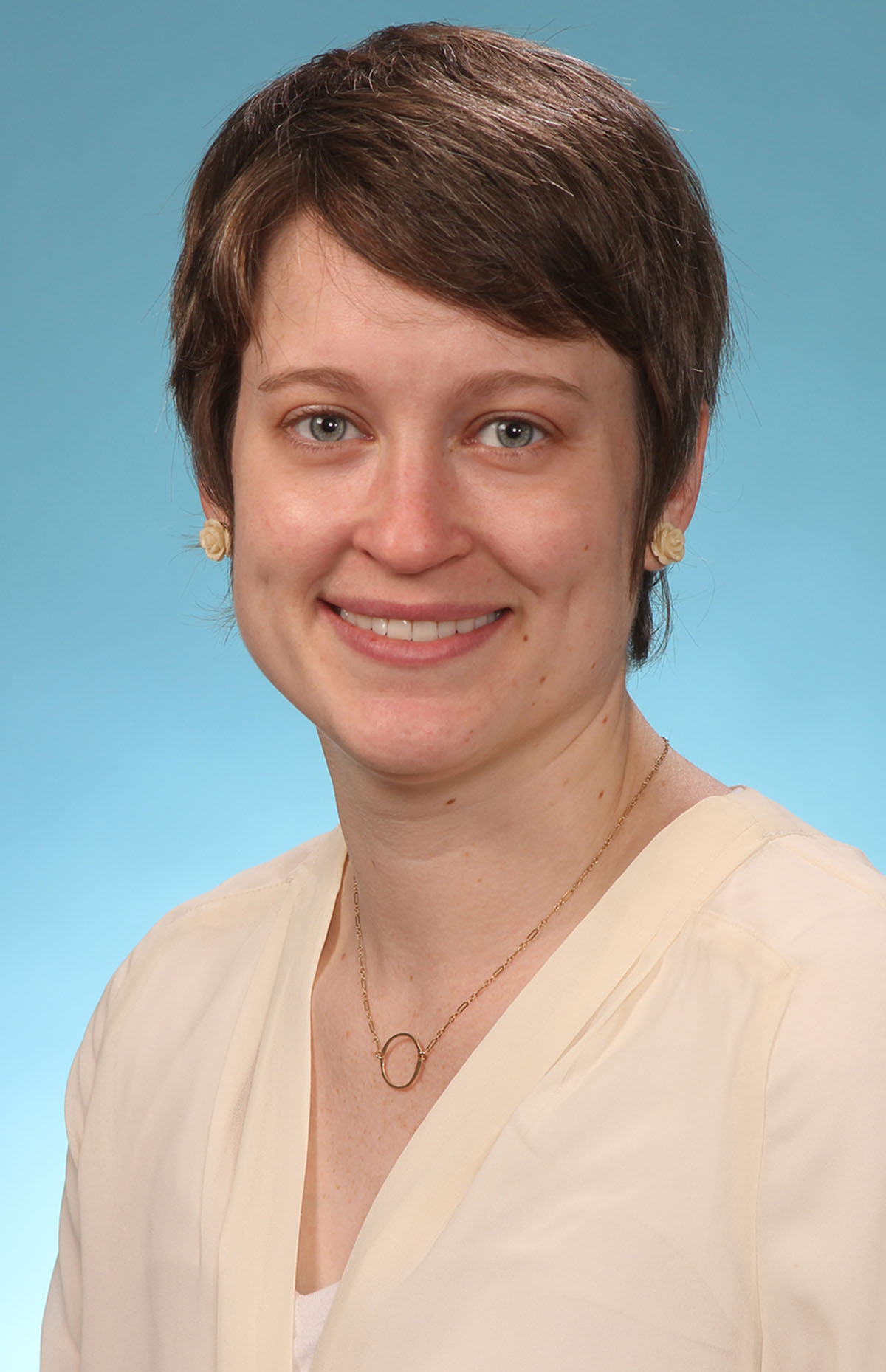
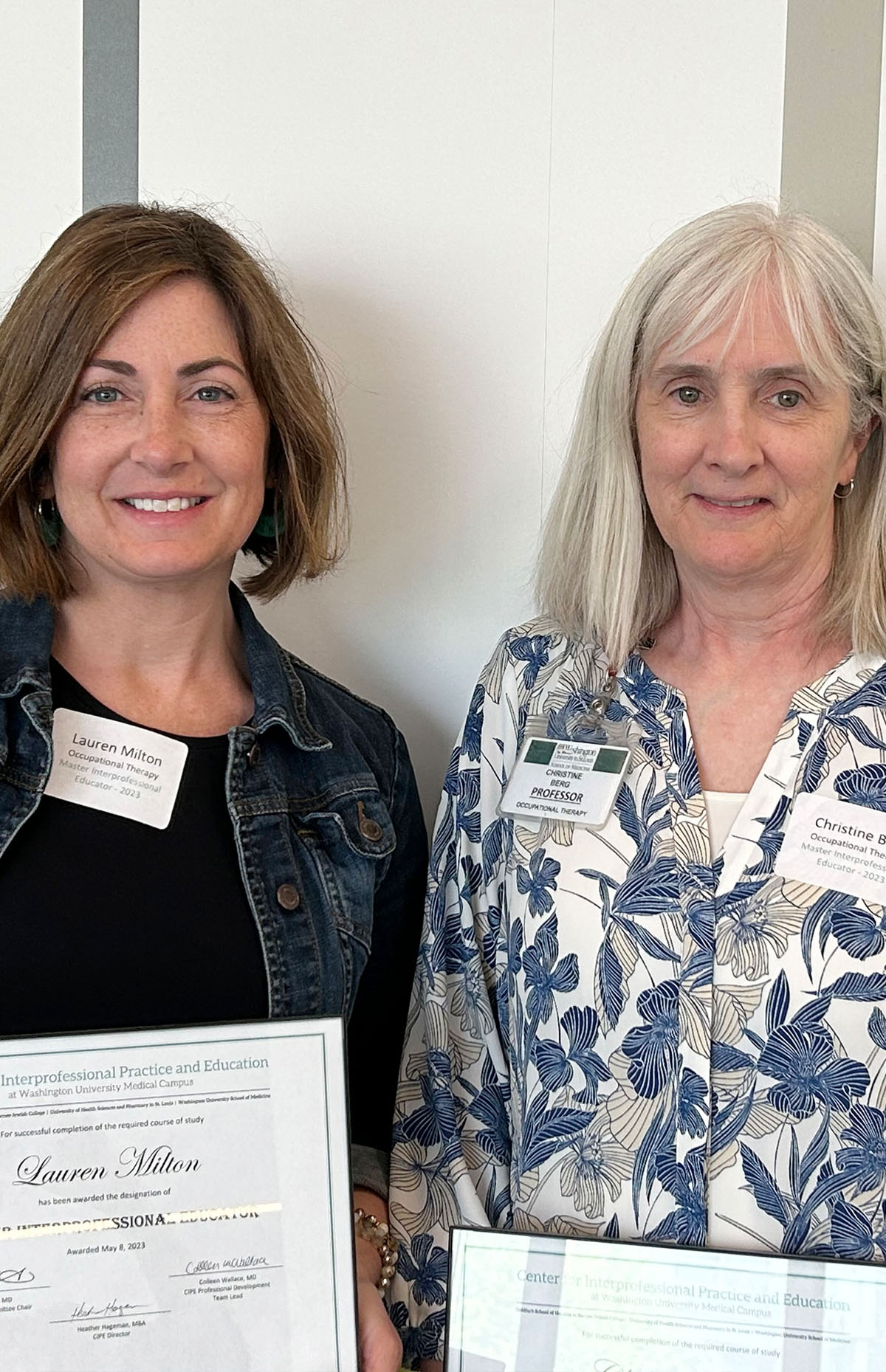
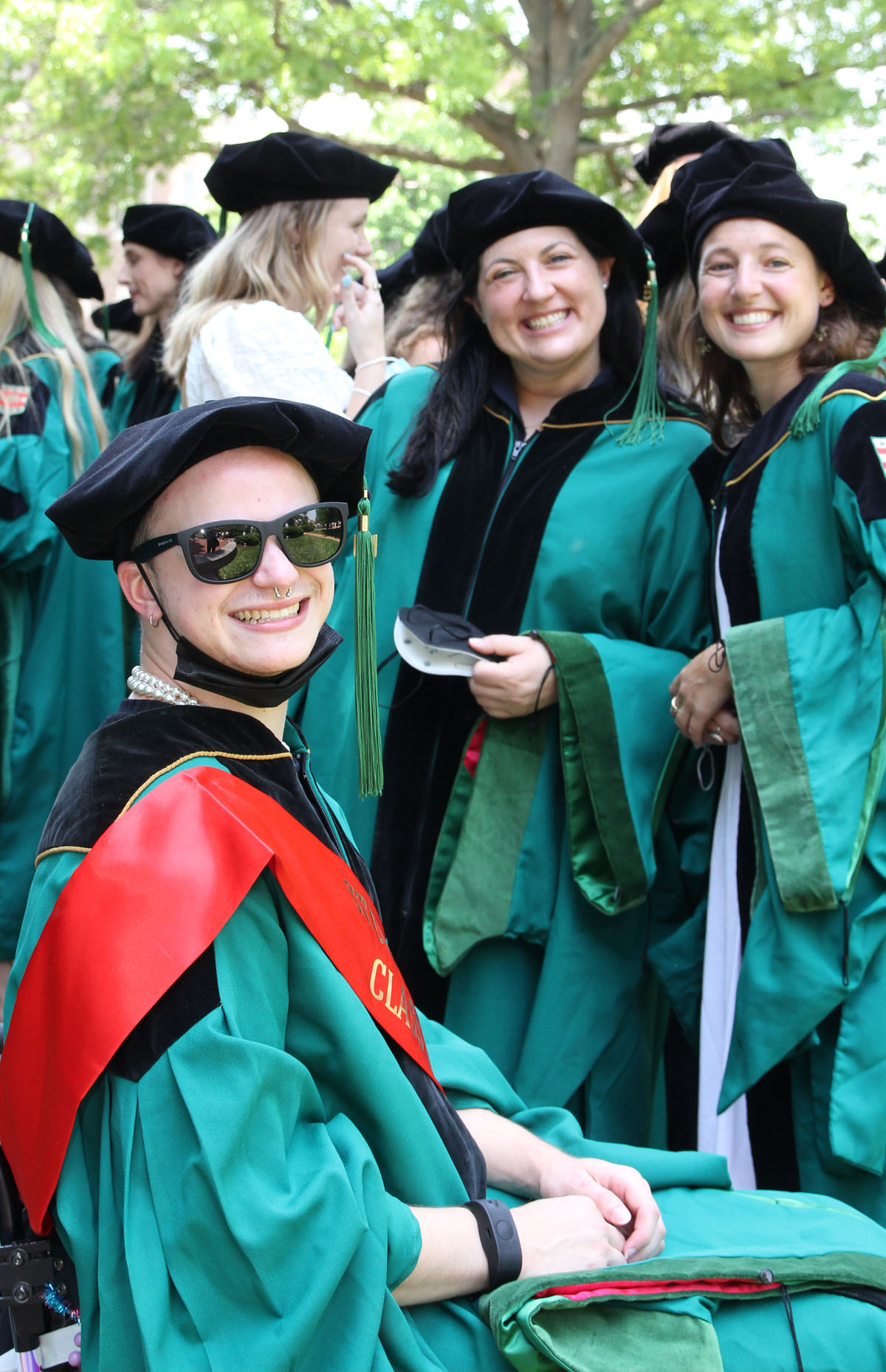
Our Stories
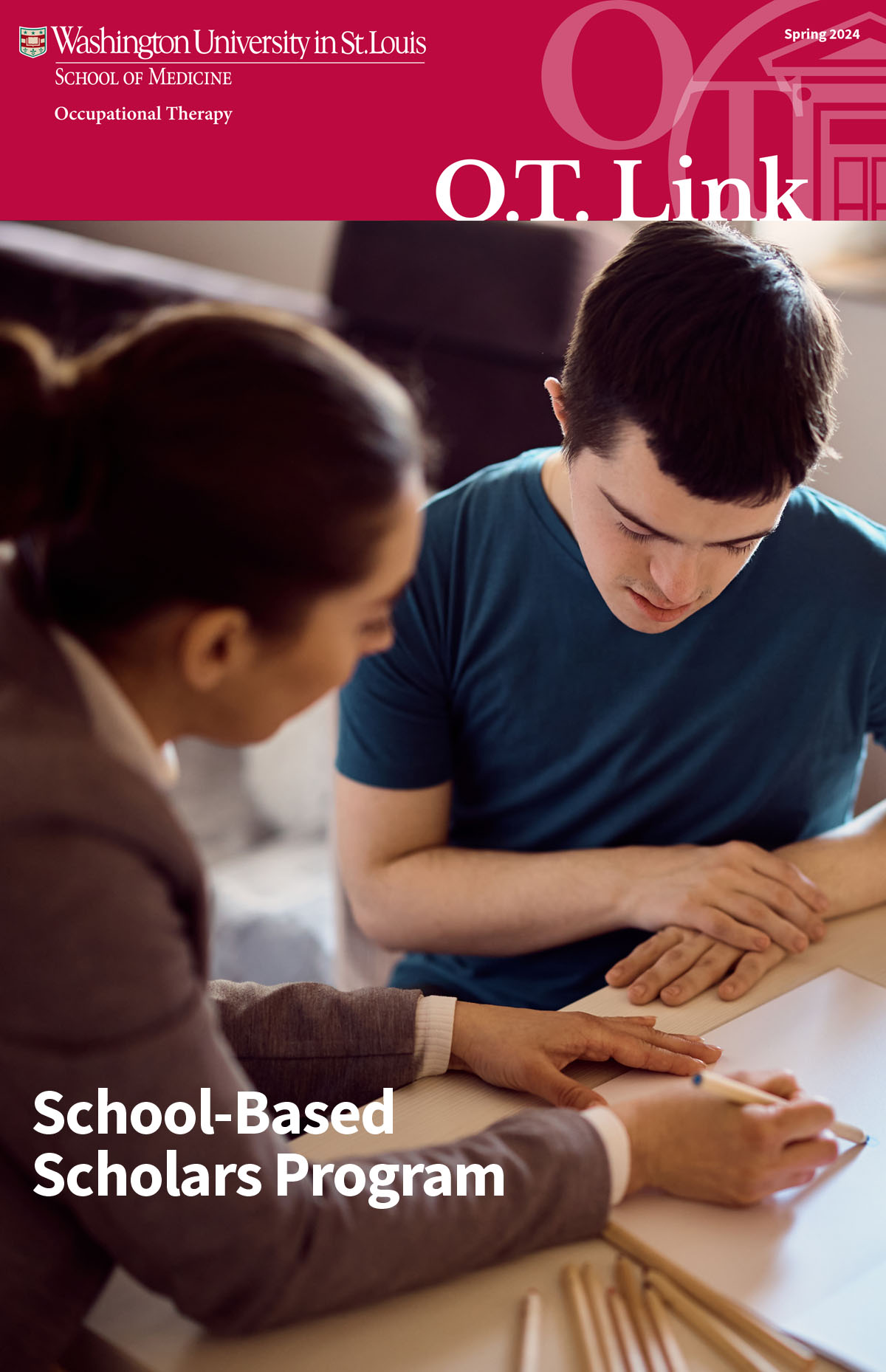
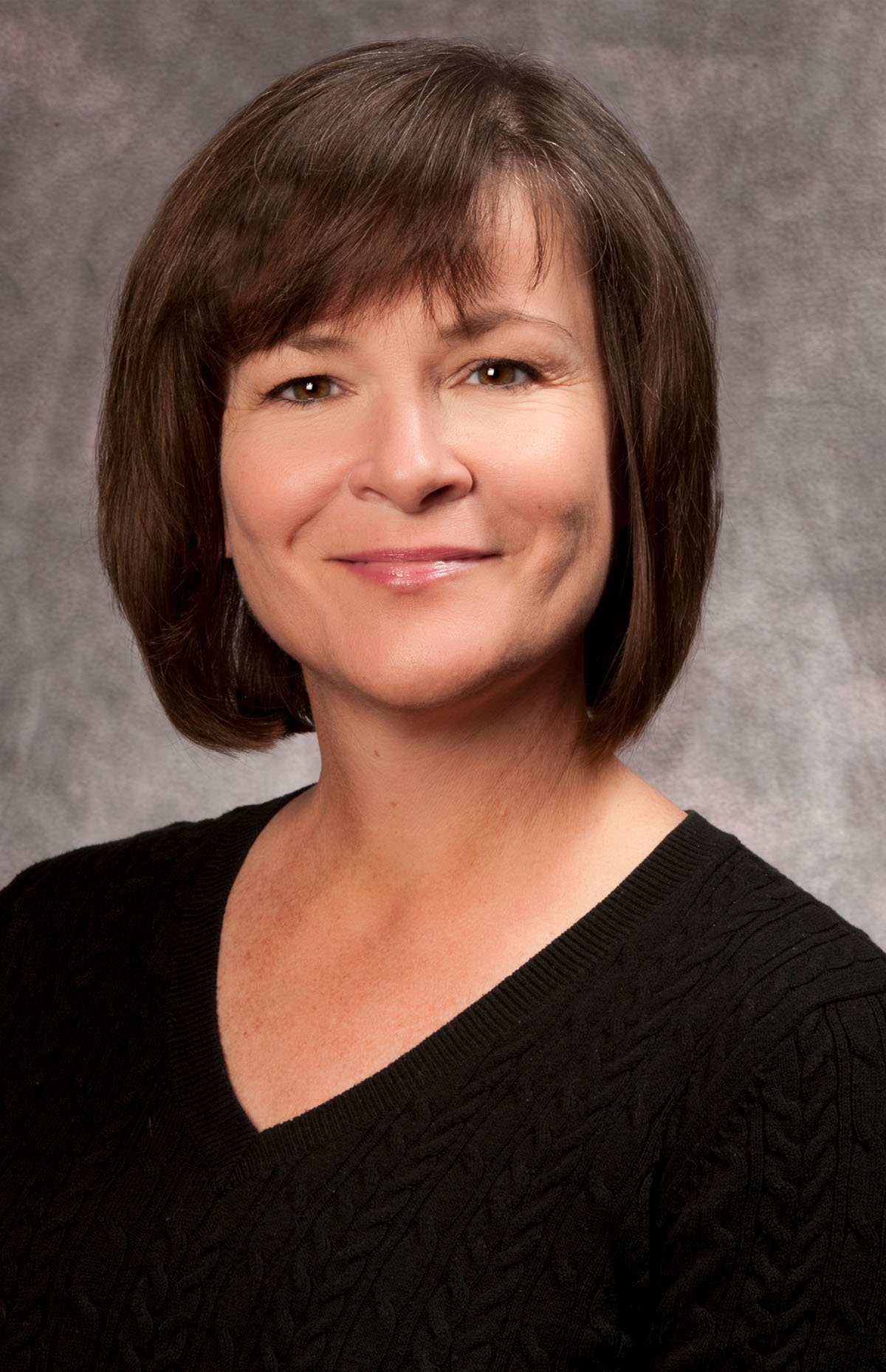
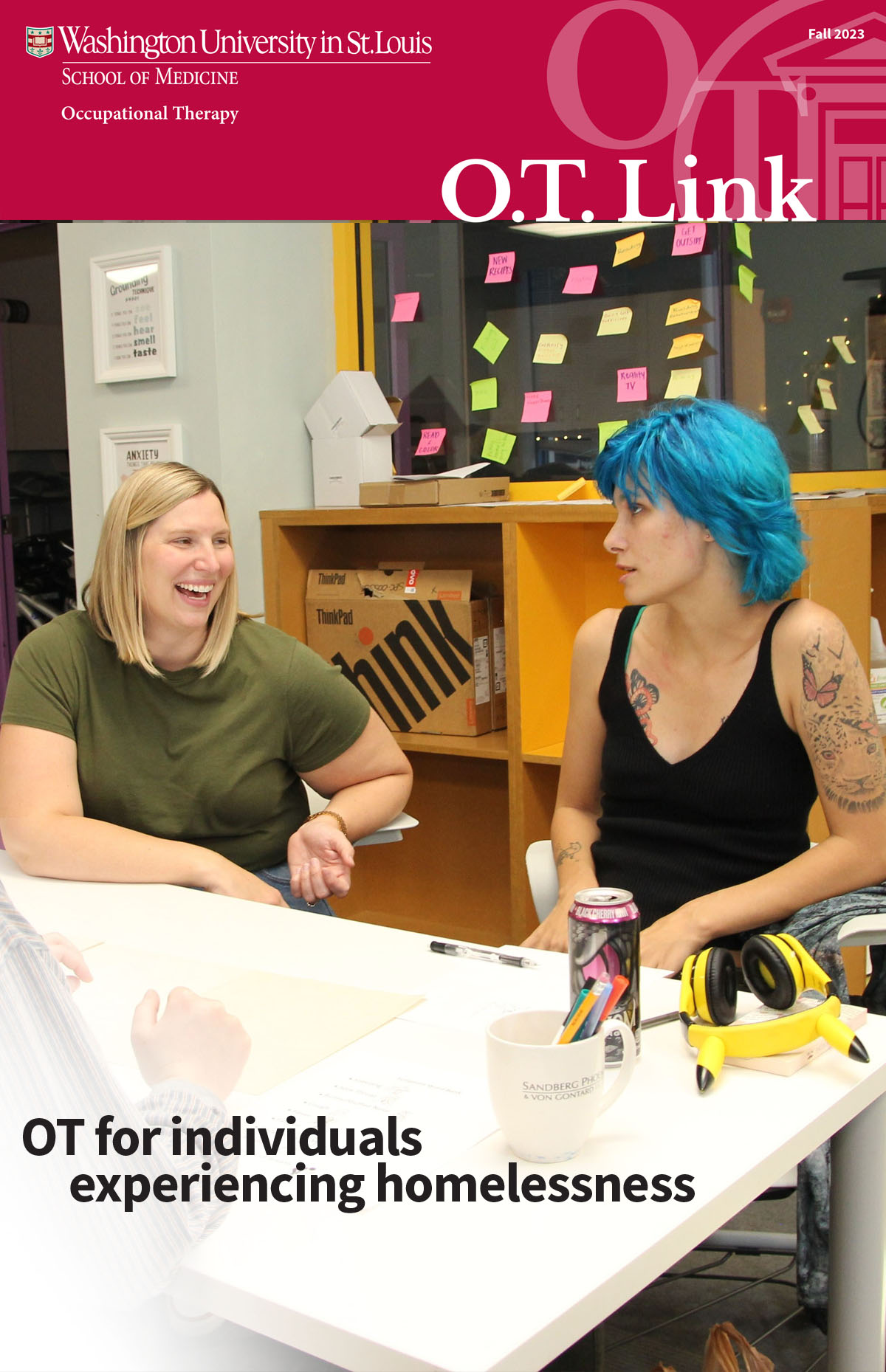
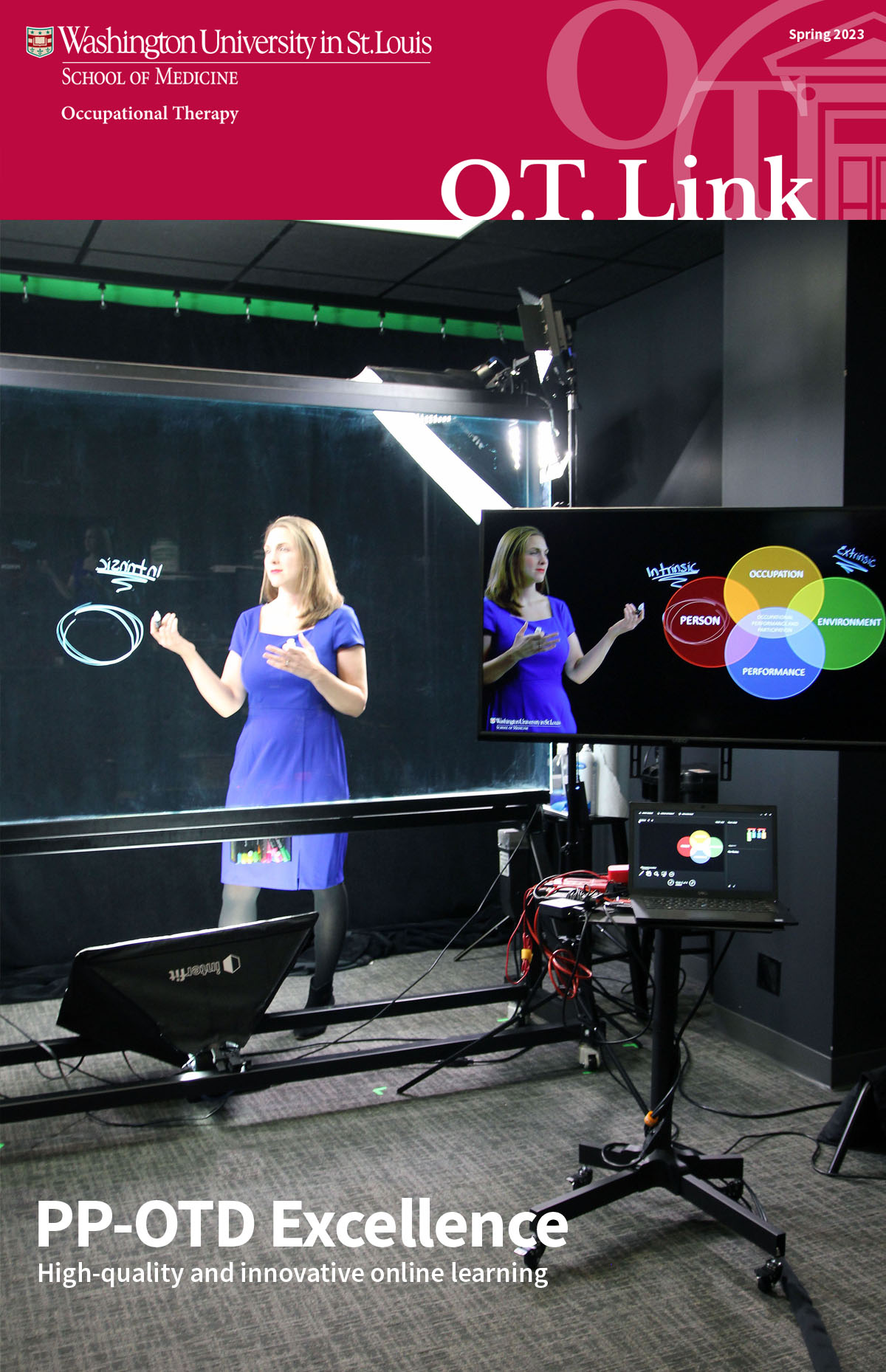
Spring 2023 OT Link is available
The Spring 2023 issue of our alumni publication, OT Link, features a cover story on Amanda Mack, OTD, and our online PP-OTD program
Our Stories
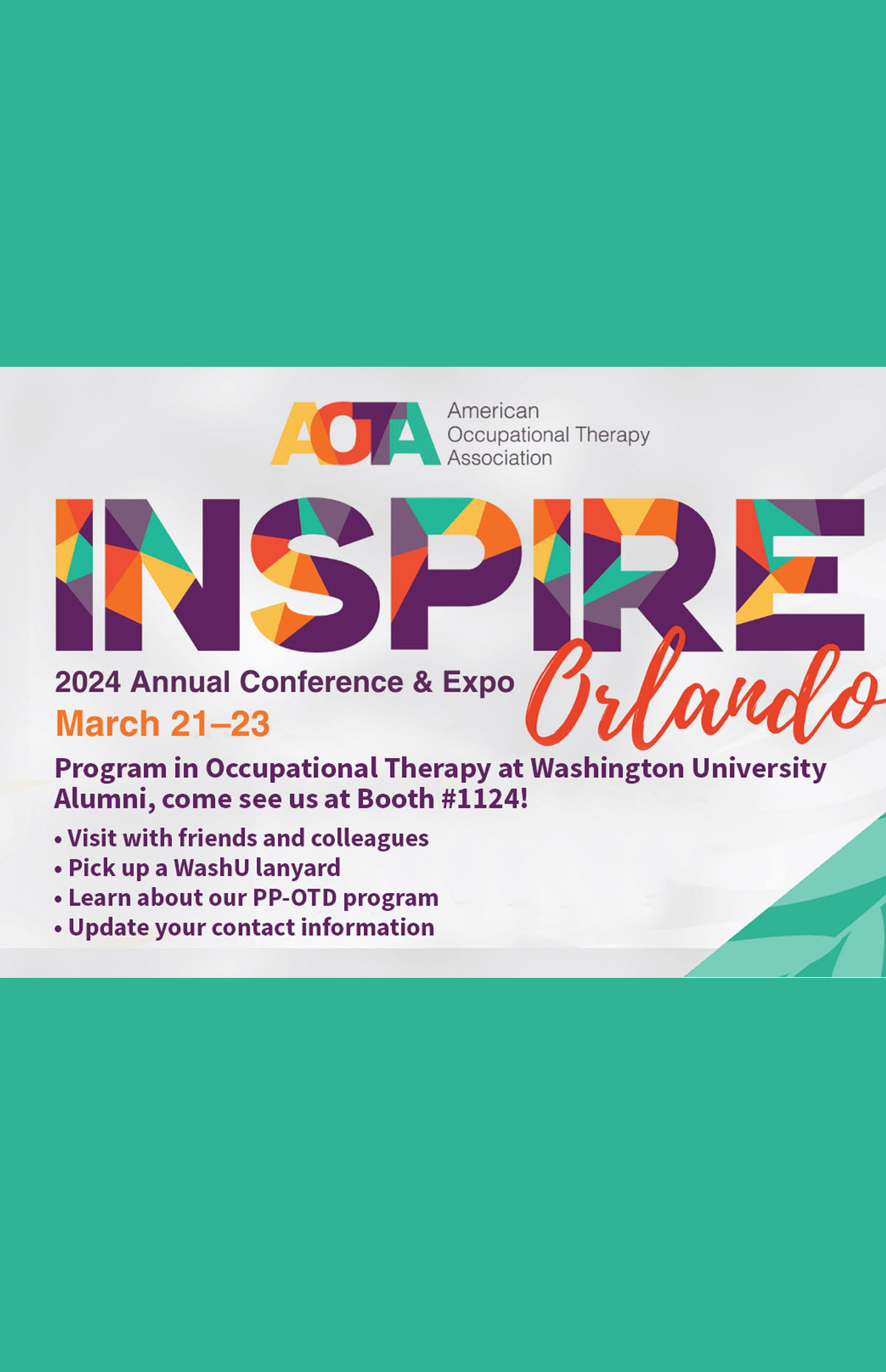
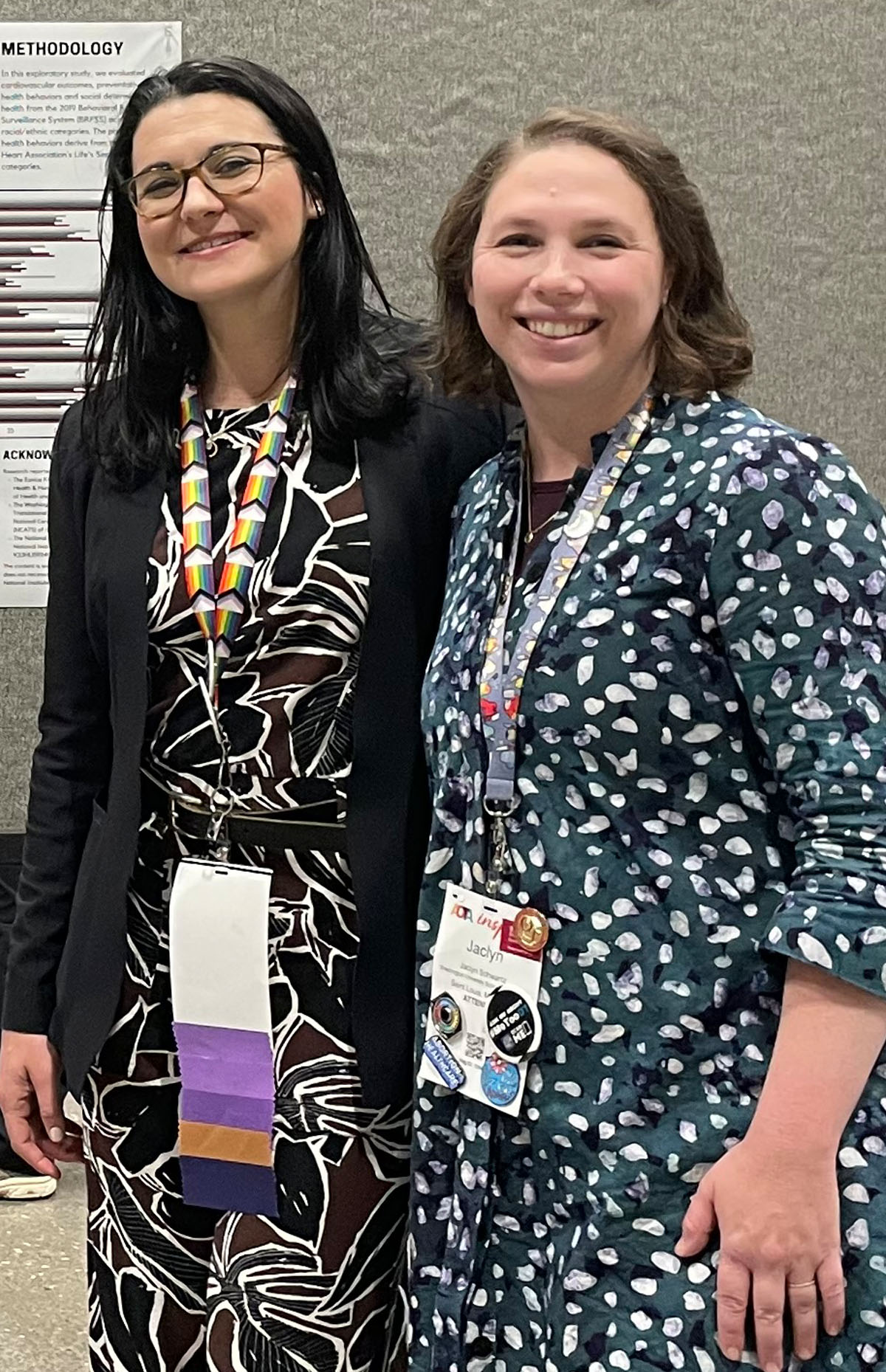
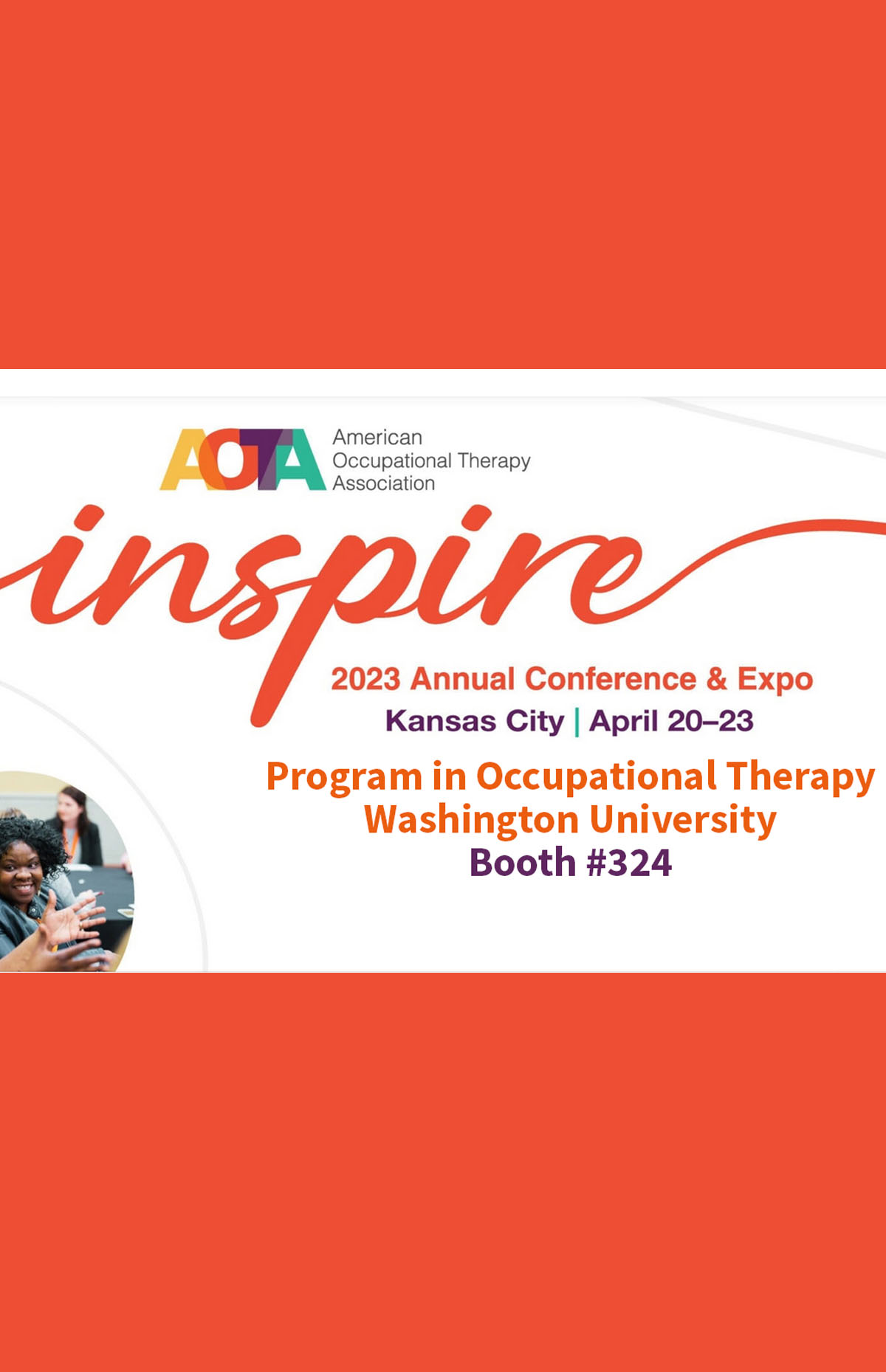
AOTA's 2023 Inspire Conference & Expo
Assessments
These assessment tools were developed by our faculty and colleagues, and some are available to occupational therapy professionals and students to use free of charge.
Developed By:
M. Carolyn Baum, PhD, OTR, FAOTA
Dorothy Edwards, PhD
Developed By:
M. Carolyn Baum, PhD, OTR, FAOTA
Dorothy Edwards, PhD
Developed By:
Monica S. Perlmutter, OTD, OTR/L, SCLV, FAOTA
Developed By:
Susy Stark, PhD, OTR/L, FAOTA
Emily Somerville, OTD, OTR/L
and Stark Lab students